Buda vs Pest: What’s the Difference for First-Time Visitors?
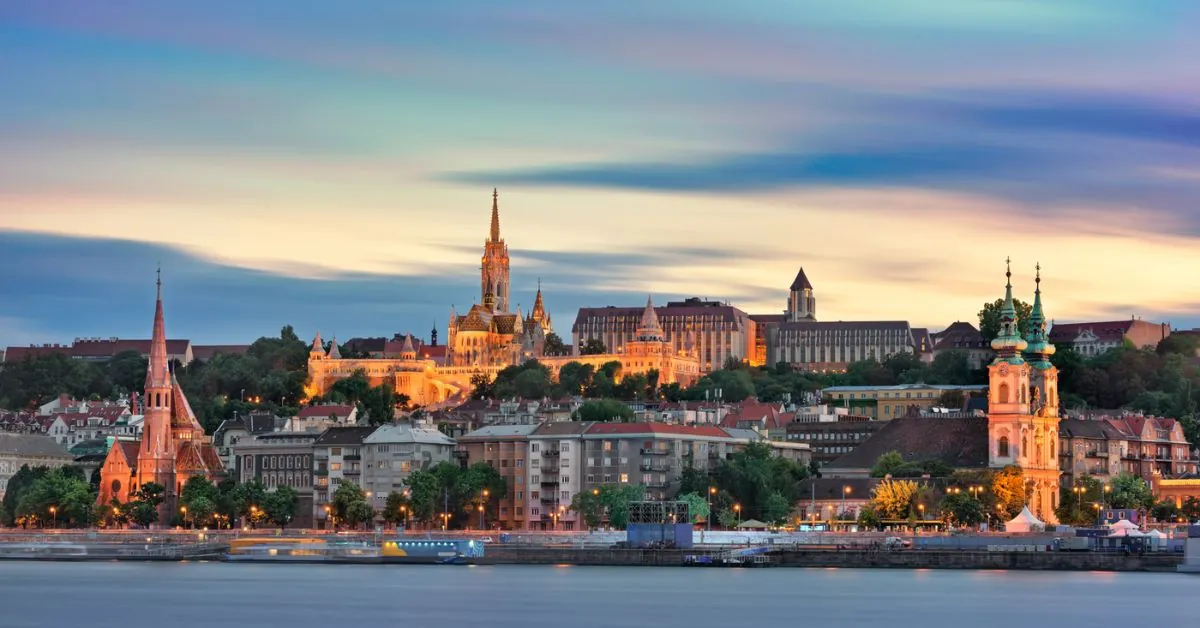
Every first-time visitor to Budapest eventually asks the same question, usually while staring at a map: wait, isn’t this all just one city? The short answer is yes, technically — but Buda and Pest spent over 600 years as separate towns, and the personality split is still obvious today. Knowing the difference will change how you plan your trip, where you choose to stay, and what you actually do each day.
Buda
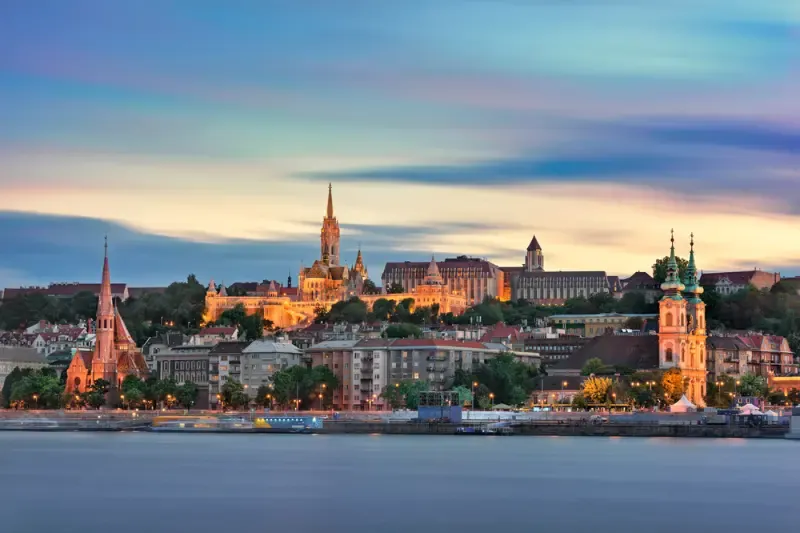
The historic, hilly side of the city. Home to Buda Castle, Matthias Church, the Fisherman’s Bastion, and Gellért Hill.
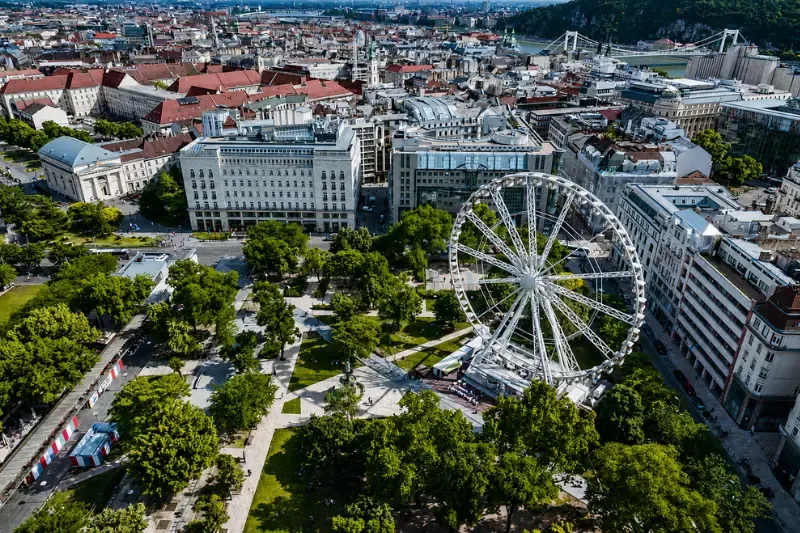
Pest
The lively side of the city. Home to the Parliament Building and most of Budapest’s restaurants, bars, and nightlife.
They Were Literally Two Different Cities
Buda and Pest (plus a third town, Óbuda) only merged into a single city in 1873. Before that, they developed almost independently, separated by the Danube and, for a long time, by nothing more than pontoon bridges and ferries.- Buda grew up around a defensible hilltop after the Mongol invasion of 1241, becoming the seat of Hungarian kings and the political center of the country for centuries.
- Pest developed on the flat eastern bank as a commercial and trading town — easier to build on, easier to expand, and naturally suited to markets, merchants, and later, industry.
The unification in 1873 was driven by the need for a single administrative capital that could compete with other European capitals — and it worked. Within a few decades, Budapest became one of the fastest-growing cities in Europe.
The Terrain Tells You Everything
The easiest way to understand the split: Buda is hills, Pest is flat.Buda‘s terrain made it ideal for fortification but limited for expansion — there’s only so much room on a hillside. That’s why Buda today is lower-density, leafier, and full of winding residential streets, villas, and green space like Gellért Hill and the Buda Hills further out.
Pest, by contrast, had room to grow in every direction. The grand boulevards, the grid-like inner districts, the massive 19th-century apartment blocks — all of that was only possible because Pest had flat, unobstructed land to build on. This is also why almost all of Budapest’s nightlife, shopping streets, and dense restaurant scenes are on the Pest side.
What You’ll Actually Find on Each Side
Buda highlights:
- Buda Castle and the Castle Quarter — medieval and Baroque streets, the Hungarian National Gallery
- Matthias Church and the Fisherman’s Bastion
- Gellért Hill and the Citadella, for the best skyline views in the city
- Gellért Baths, one of the most famous thermal baths in Budapest
- Quieter, more residential pace overall
Pest highlights:
- The Hungarian Parliament Building
- Andrássy Avenue and the Opera House
- The Jewish Quarter and District VII’s bar scene
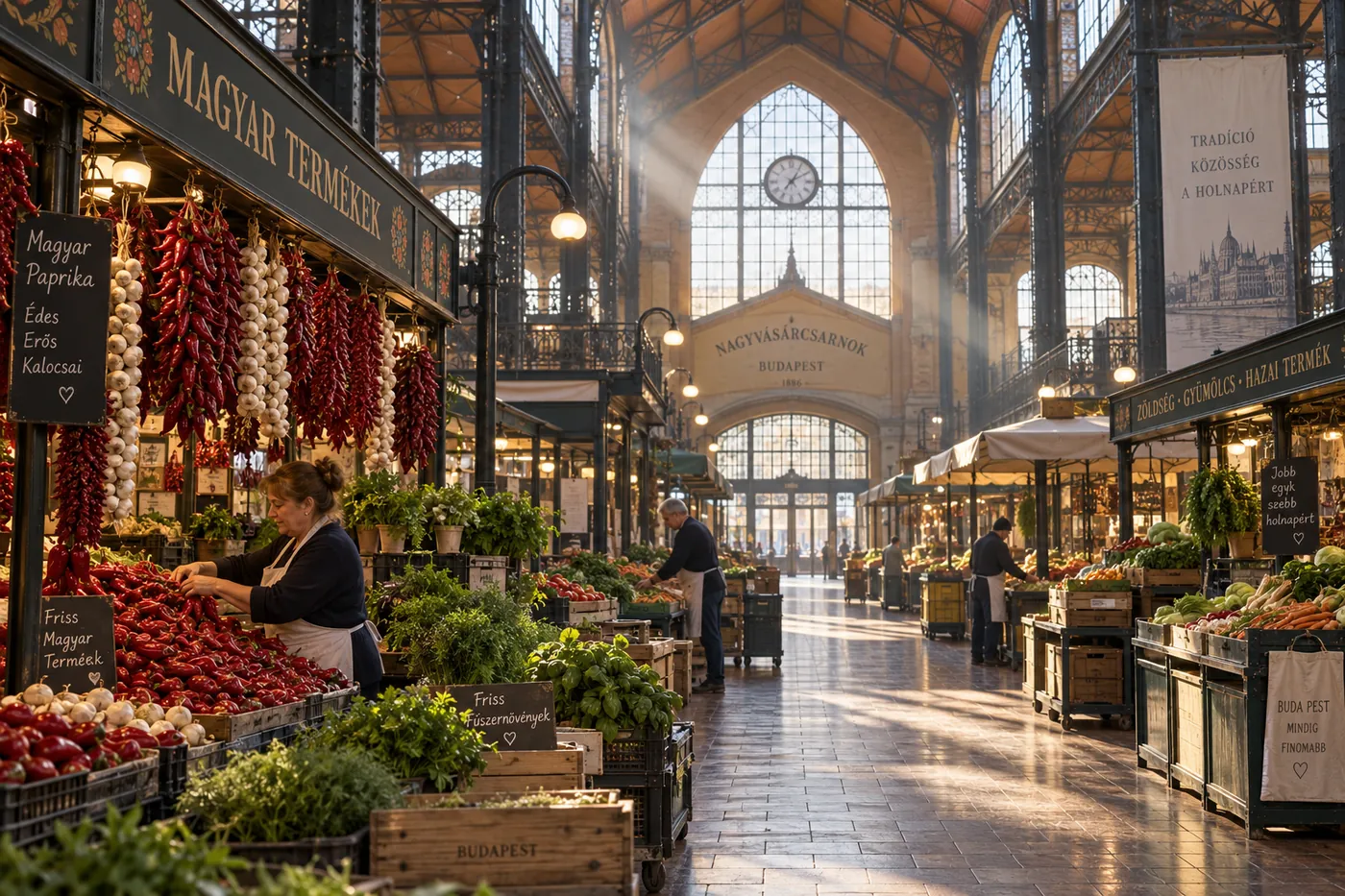
- Váci Street and the Great Market Hall
- Most of the city’s restaurants, ruin bars, and nightlife
- The majority of Budapest’s hotels and short-term rentals
Where Should You Actually Stay?
This is the question that matters most for trip planning, and the honest answer is: Pest, for most travelers.Staying in Pest puts you within walking distance of restaurants, the metro network, and the main nightlife districts, and it still leaves Buda completely accessible — Castle Hill is a short tram or funicular ride away, not a relocation.
Staying in Buda tends to suit travelers prioritizing quiet, views, and proximity to the baths over walkable nightlife.
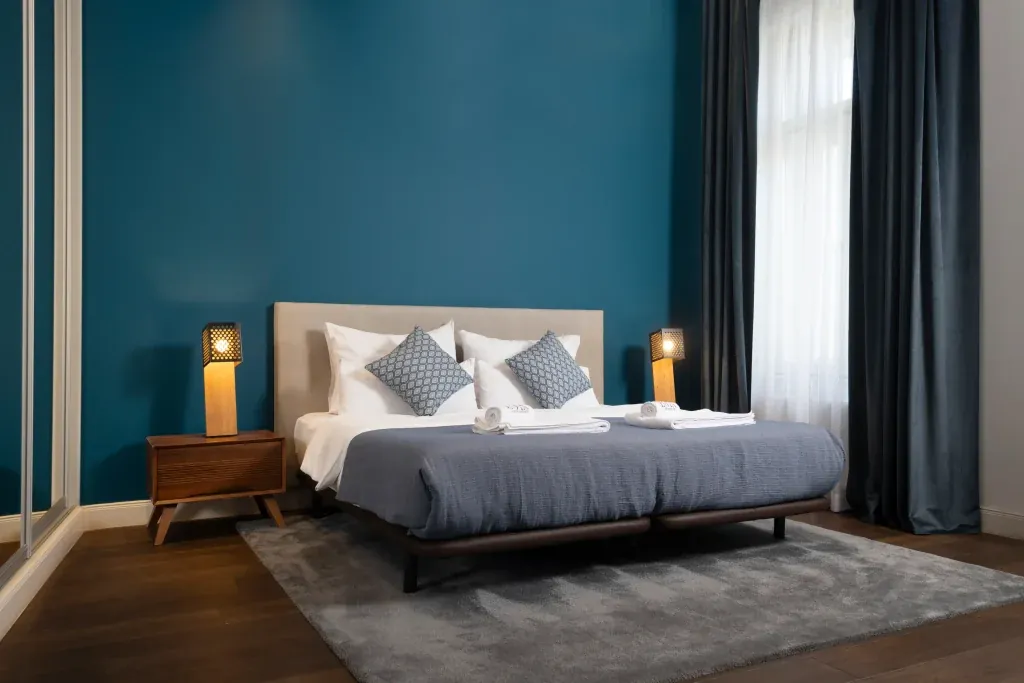
District VIII (Józsefváros), where ZOYA Luxury Residence is located, sits on the Pest side close to the city center — an easy base for reaching both Pest’s main attractions on foot and Buda’s landmarks by a quick tram or metro connection across the river.
Crossing Between the Two
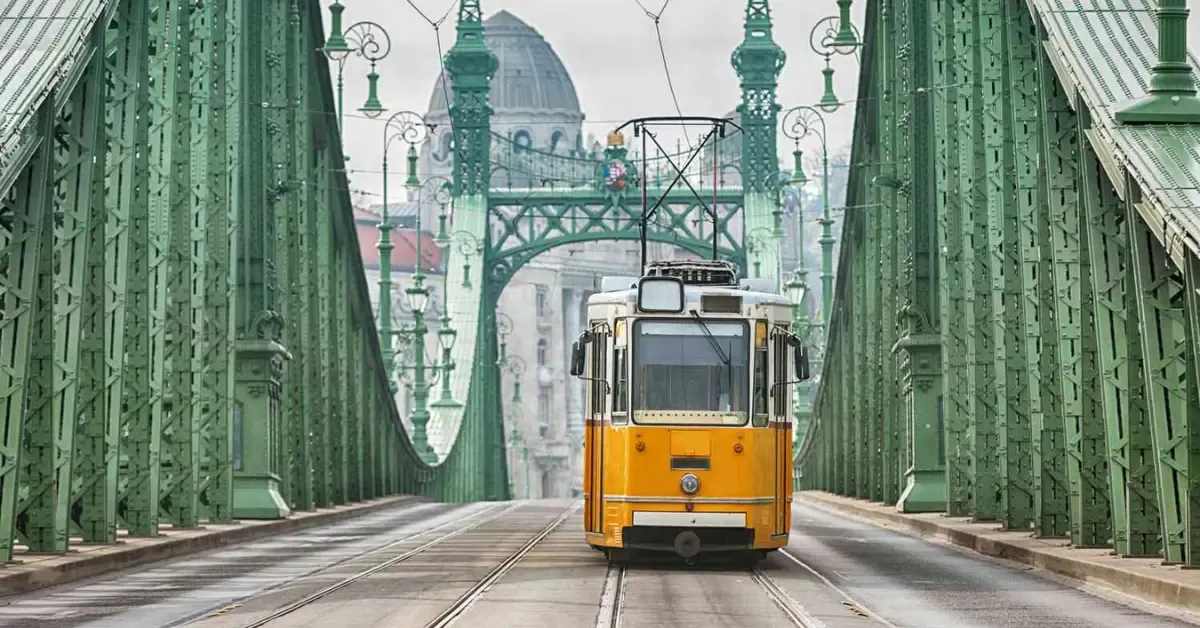
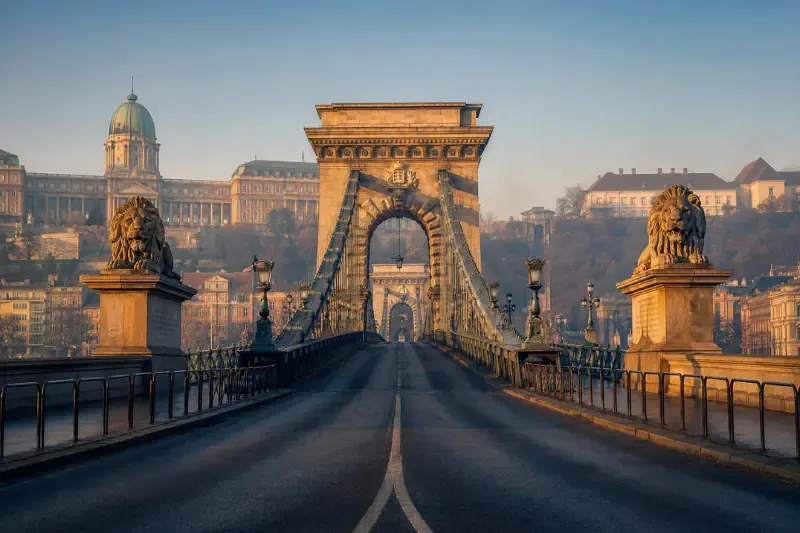 The bridges themselves are part of the story. The Chain Bridge (Lánchíd), completed in 1849, was the first permanent crossing between Buda and Pest and is largely credited with making unification possible in the first place — before it, crossing the Danube meant relying on boats or a seasonal pontoon bridge.
Today, the Chain Bridge, Elisabeth Bridge, and Liberty Bridge each offer a different angle on the skyline, and walking across at least one of them — ideally at night, when Castle Hill is lit up — is one of the simplest, best things to do in the city for free.