Budapest 3-Day Itinerary: The Complete Travel Guide (2026)
Budapest is one of Europe’s most underrated capitals — and those who’ve been there know it. Straddling the Danube River, Budapest is actually two cities in one: the hilly, historic Buda on the west bank, and the flat, bustling Pest on the east. Together, they form a city of jaw-dropping architecture, world-class thermal baths, vibrant nightlife, and hearty cuisine that costs a fraction of what you’d pay in Paris or Amsterdam.
Whether you’re a history buff, a foodie, a party traveler, or simply someone in search of a beautiful European weekend, Budapest delivers. And three days is exactly enough time to get a real feel for the city without rushing.
This guide is written for travelers who want to see the highlights without missing the hidden gems. Let’s dive in.
Neighborhoods to know
– Castle District (Buda) — History, panoramic views, UNESCO heritage
– Belváros/Inner City (Pest) — Shopping, cafés, central landmarks
– Jewish Quarter (District VII) — Ruin bars, synagogues, street food
– Andrássy Avenue — Grand boulevard, Opera House, museums
– Ferencváros (District IX) — Emerging food and art scene
Day 1: Buda — Castles, Views, and the City’s Ancient Heart
Morning: Castle Hill and the Royal Palace
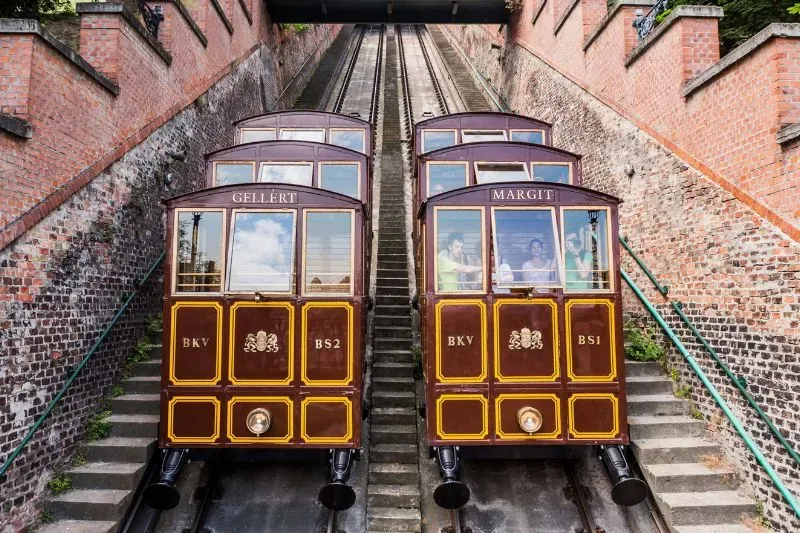
Start where Budapest began — on Castle Hill. The most iconic way up is the Funicular (Budavári Sikló) from Clark Ádám Square at the base of the Chain Bridge — a short but memorable ride with immediate views over the Danube.
But there’s a second, lesser-known option worth knowing: a free escalator inside the hillside, accessible from Várkert Bazár, takes you straight up to the Castle District without the funicular queue or fee.
Speaking of Várkert Bazár — don’t just pass through it to reach the escalator. This beautifully restored 19th-century neo-Renaissance garden and terrace complex sits along the riverbank below the castle and is one of Budapest’s most elegant public spaces. Stroll its colonnaded walkways, fountains, and terraced gardens before heading up. It’s far less crowded than the Castle Hill itself and genuinely lovely in the morning light.
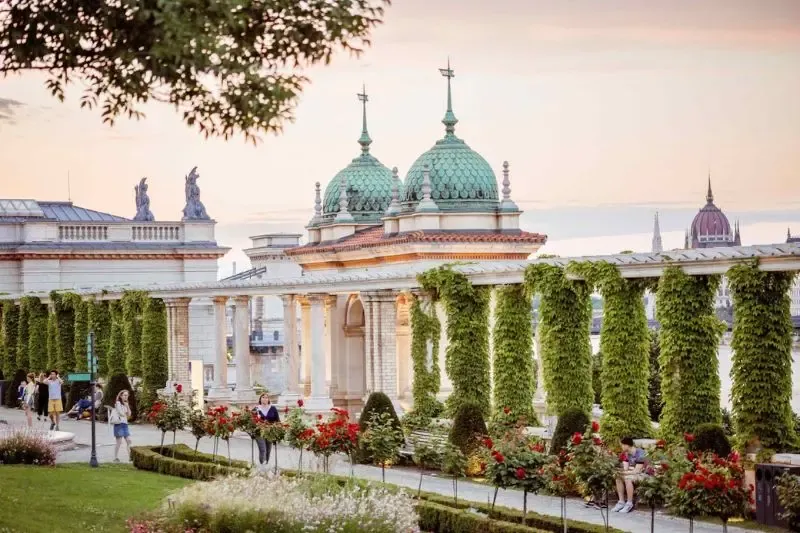
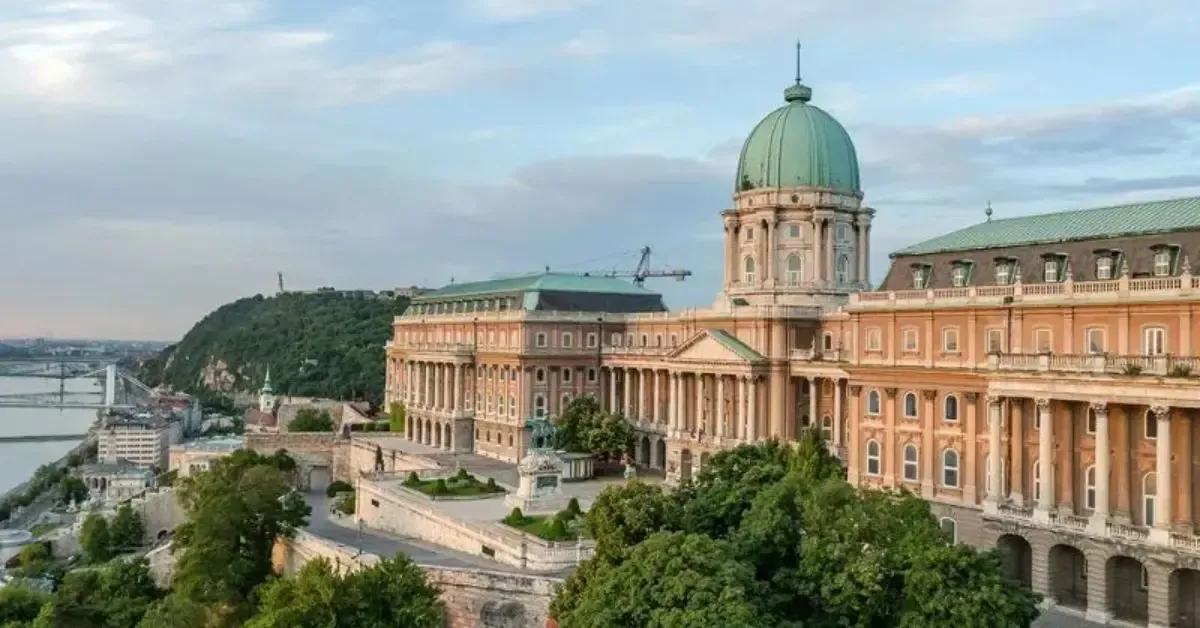
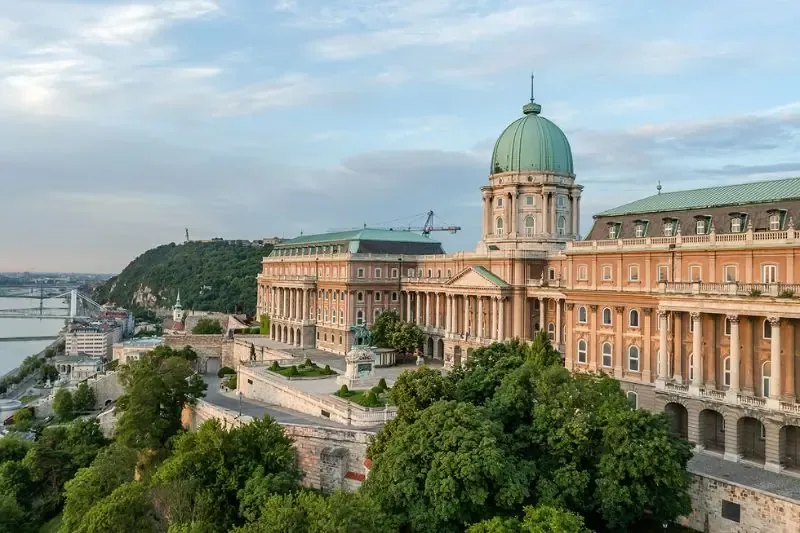
Buda Castle (Budavári Palota) dominates the hilltop. The current baroque palace dates mostly from the 18th century and now houses two major institutions worth visiting:
1. Hungarian National Gallery — A world-class collection of Hungarian fine art from the Middle Ages through the 20th century. Even if you’re not an art enthusiast, the building alone is worth entering.
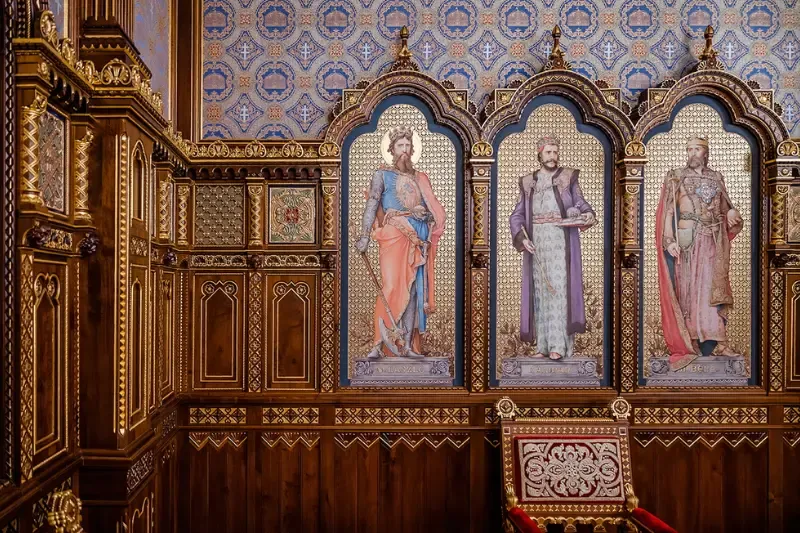
2. Budapest History Museum — Traces the city’s story from Roman Aquincum to the Ottoman occupation to the Communist era. Compact and well-curated.
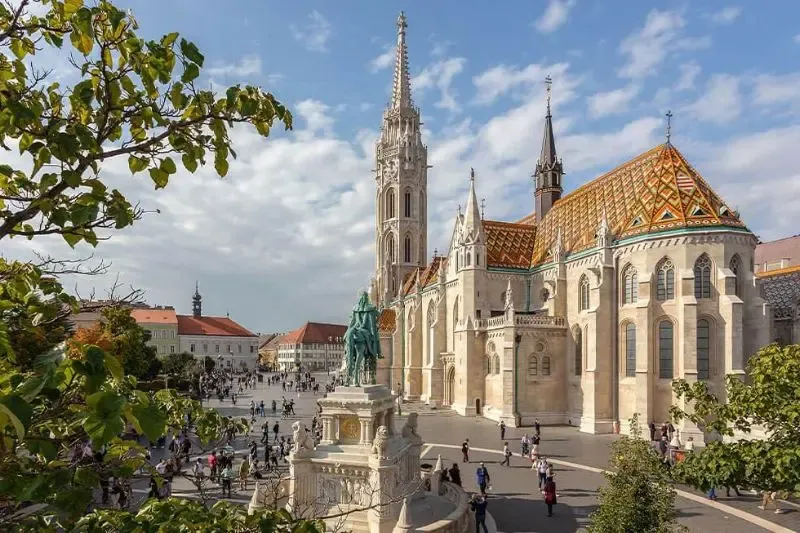
Mid-Morning: Matthias Church and Fisherman’s Bastion
Ashort walk north along Castle Hill brings you to two of Budapest’s most photographed landmarks.
Matthias Church (Mátyás-templom) is a Gothic Catholic church with a roof of multicolored Zsolnay ceramic tiles that glitter in the morning sun. The interior is a riot of frescoes, stonework, and Hungarian folk motifs. Don’t skip it — this is one of the most beautiful church interiors in Central Europe.
Right next to it, Fisherman’s Bastion (Halászbástya) offers the most dramatic views in Budapest: a neo-Romanesque terrace of turrets and walkways looking directly across the Danube to the Hungarian Parliament Building. The lower terrace is free; the upper level costs a small entrance fee and is worth it for the slightly better angle.
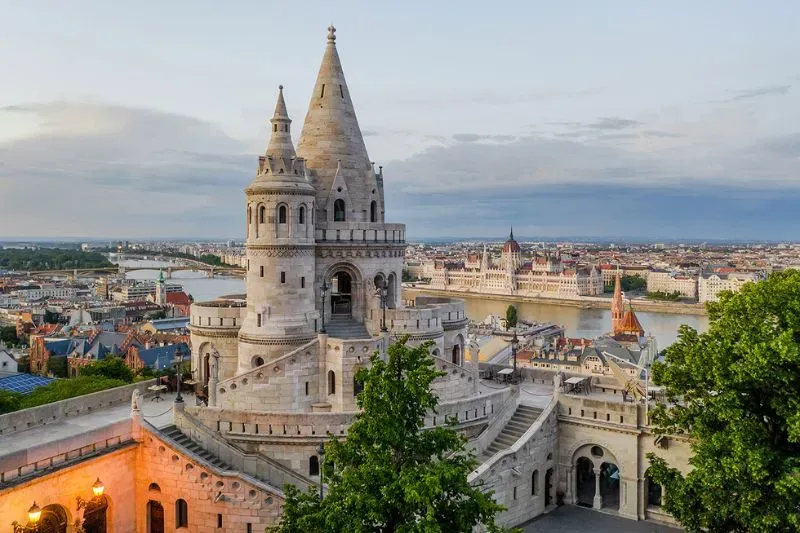
Insider tip: Arrive by 9 AM to have the Bastion almost entirely to yourself. By 11 AM, it’s crowded with tour groups.
Afternoon: The Chain Bridge and Gellért Hill
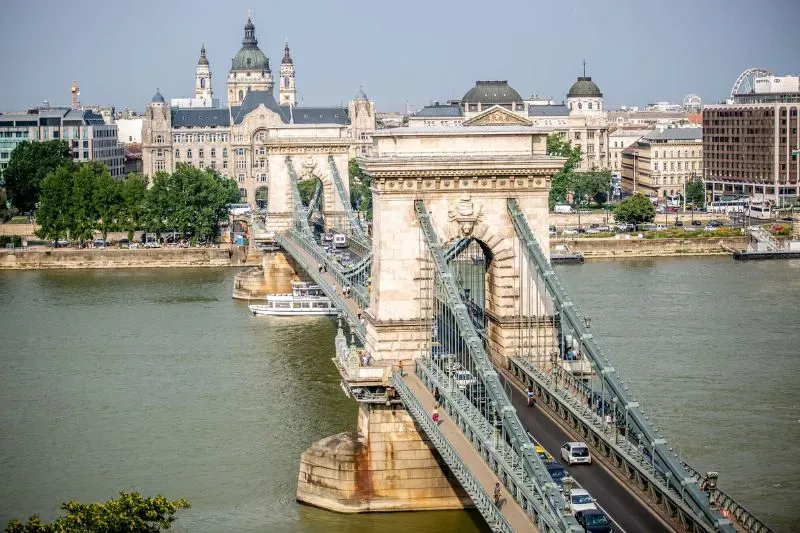
Walk down from Castle Hill via the stone steps and cross the
Széchenyi Chain Bridge on foot. Opened in 1849, it was the first permanent bridge to link Buda and Pest. The lion sculptures at the base make for great photos, and the walk across gives you an unobstructed view of both sides of the river.
From the Pest side, double back across the Erzsébet Bridge (a short tram or walk south) to reach Gellért Hill (Gellért-hegy). The climb takes about 20–30 minutes on foot and rewards you with the best panoramic view of the entire city — the Parliament, the Danube, all seven bridges, and the skyline of Pest stretching to the horizon.
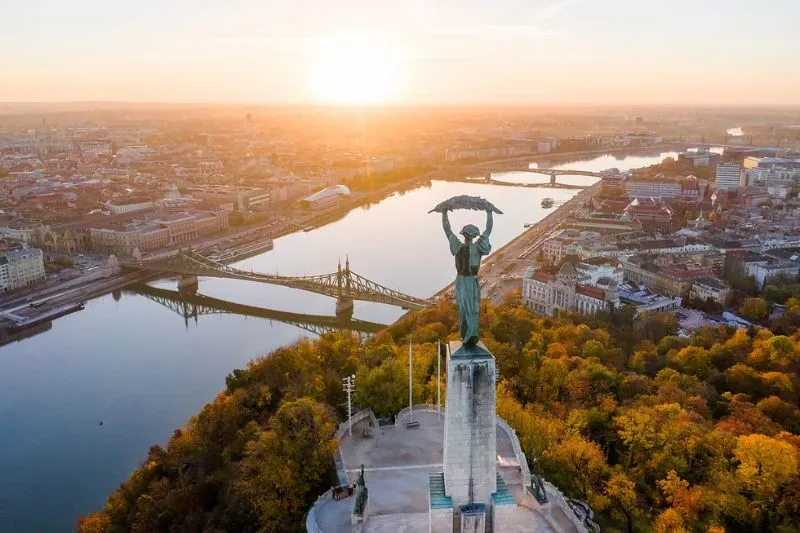
At the top, visit the Citadella fortress and the Liberty Statue (Szabadság-szobor), a woman holding a palm branch, standing tall as one of Budapest’s most recognizable silhouettes.
Evening: Rudas Baths
End your first day with a long, restorative soak at Rudas Thermal Bath (Rudas Gyógyfürdő), a working thermal bath with roots going back to the Ottoman era — the original 16-sided central pool, topped by a domed cupola with star-shaped windows, dates to 1566. It’s one of the most atmospheric bathhouses in the city and sits right at the foot of Gellért Hill on the Buda bank.
Rudas is particularly well-suited for an evening visit: on Friday and Saturday nights, the rooftop pool stays open late with panoramic views over the illuminated Danube — one of the most spectacular settings in Budapest. Book tickets online in advance, especially for weekend evenings.
Day 2: Pest — Grand Boulevards, Jewish Heritage, and Ruin Bars
Morning: The Hungarian Parliament Building
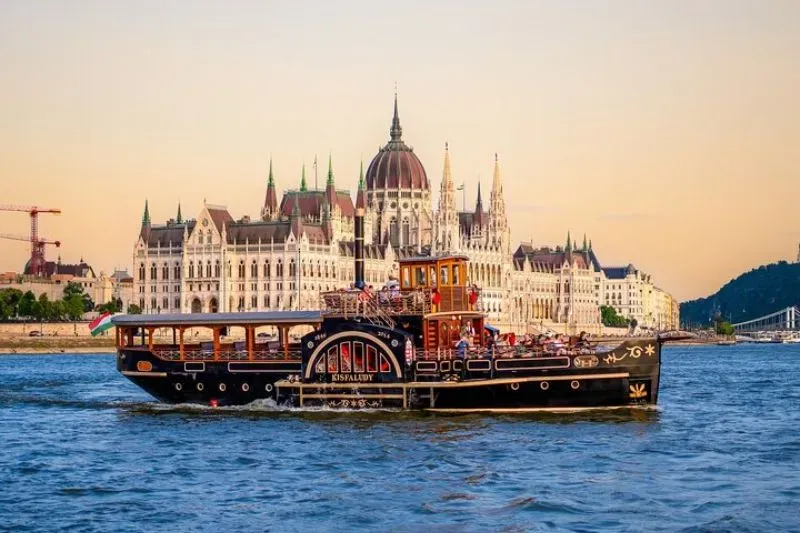
No image of Budapest is more iconic than the Hungarian Parliament Building (Országház) seen from across the Danube — a neo-Gothic masterpiece stretching 268 meters along the Pest riverbank. But seeing it from outside is only half the story
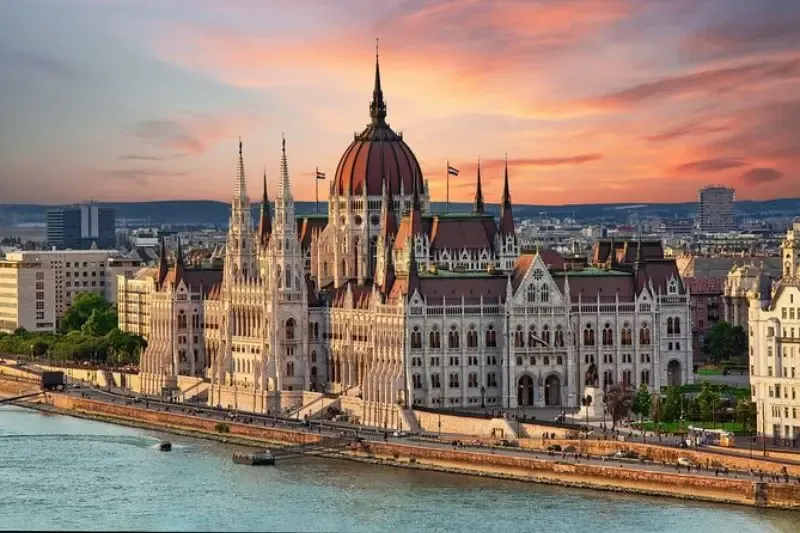
Book a guided interior tour in advance (they sell out fast, especially in summer). The tour takes you through the Main Staircase, the ornate Assembly Hall, and — the highlight — the room where the Hungarian Crown Jewels are on display, including the Holy Crown of Hungary, which dates to the year 1000 AD.
Mid-Morning: Liberty Square and St. Stephen’s Basilica
Ashort walk south brings you to Liberty Square (Szabadság tér), a large park surrounded by significant buildings and statues. It’s a good place to understand some of Budapest’s layered political history — multiple monuments here reflect different eras and ideologies, often in conversation (and tension) with each other
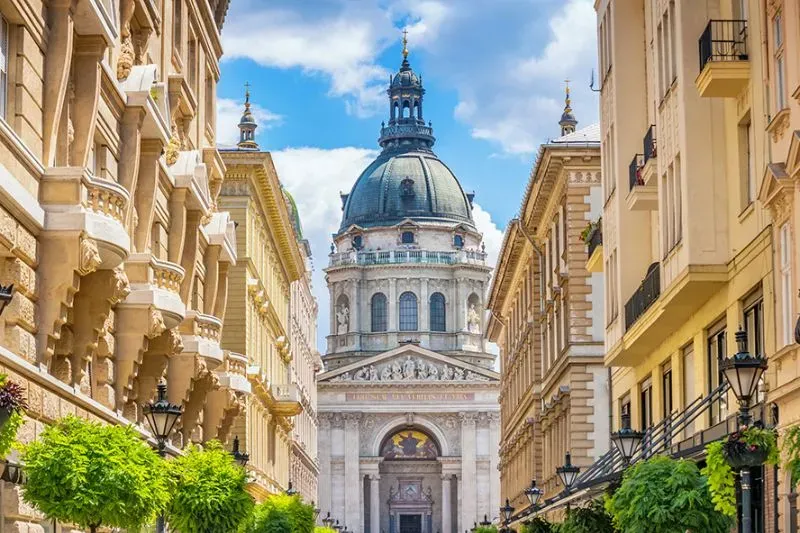
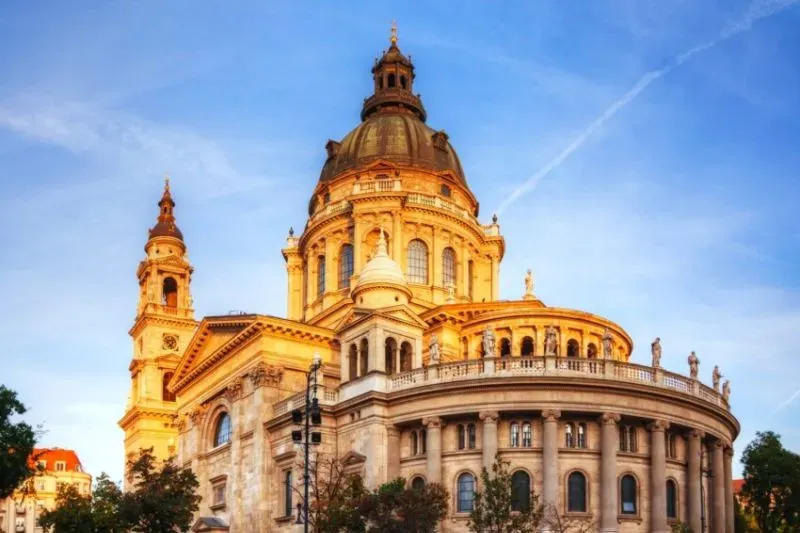
From there, walk to St. Stephen’s Basilica (Szent István-bazilika), the largest church in Budapest. The exterior is grand neoclassical; the interior is golden, solemn, and very impressive. Don’t miss:
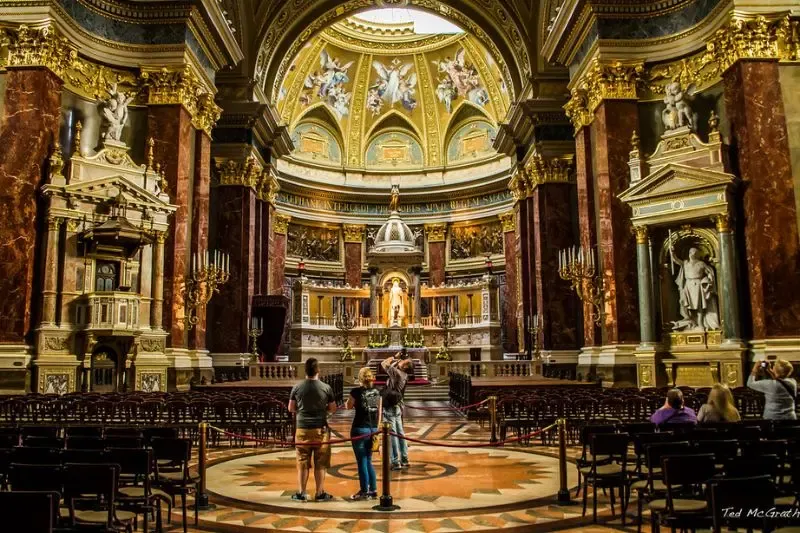
– The Holy Right Hand of St. Stephen — a preserved relic of Hungary’s first king, kept in an ornate reliquary
– The panoramic terrace at the top of the dome (elevator available) — arguably the best view over flat Pest
Lunch: The Great Market Hall
Head to the Great Market Hall (Nagycsarnok) on Fővám Square — a massive, cathedral-like iron-and-brick market hall built in 1897. The ground floor is a working food market with vendors selling fresh produce, meats, cheeses, and Hungarian paprika in every form.
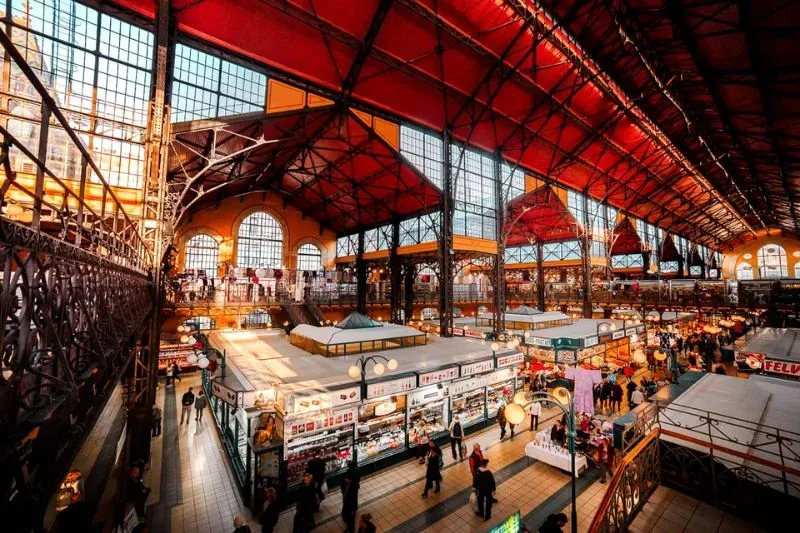
Go upstairs (first floor) for the tourist food stalls serving lángos (deep-fried dough with sour cream and cheese, Hungary’s signature street food), kürtőskalács (chimney cake), stuffed peppers, and goulash. Cheap, filling, and genuinely good.
Allow time to browse the handicraft stalls — this is one of the better places in Budapest to buy quality souvenirs like embroidered tablecloths, hand-painted ceramics, and artisanal paprika sets.
Afternoon: The Jewish Quarter and Great Synagogue
Budapest’s 7th District, known as the Jewish Quarter (Zsidó negyed), is one of the most historically significant neighborhoods in the city and also one of its most atmospheric.
Start at the Dohány Street Synagogue (Dohány utcai zsinagóga), the largest synagogue in Europe and the second largest in the world. Built in 1859 in Moorish-Byzantine style, it is breathtaking. Behind it, the Hungarian Jewish Museum tells the story of the community’s history, including the devastation of the Holocaust. The Memorial Garden in the rear courtyard, with a weeping willow sculpture whose leaves bear the names of victims, is one of the most moving sights in Budapest.
Afterward, wander the streets of the Jewish Quarter. The area has been revitalized over the past two decades and is now one of the most interesting neighborhoods in Pest — layered with history but also full of independent cafés, street art, vintage shops, and galleries.
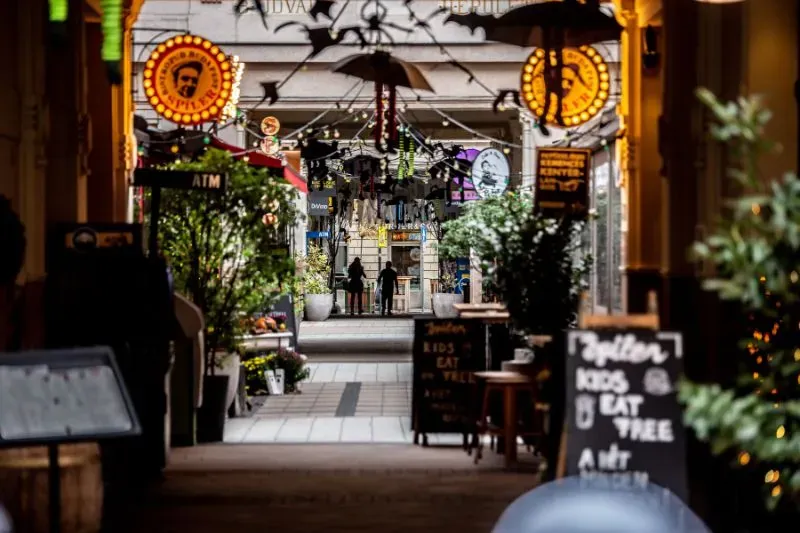
Look out for Gozsdu Udvar, a series of seven connected courtyards lined with restaurants and bars that come alive in the evenings.
Evening: Ruin Bars
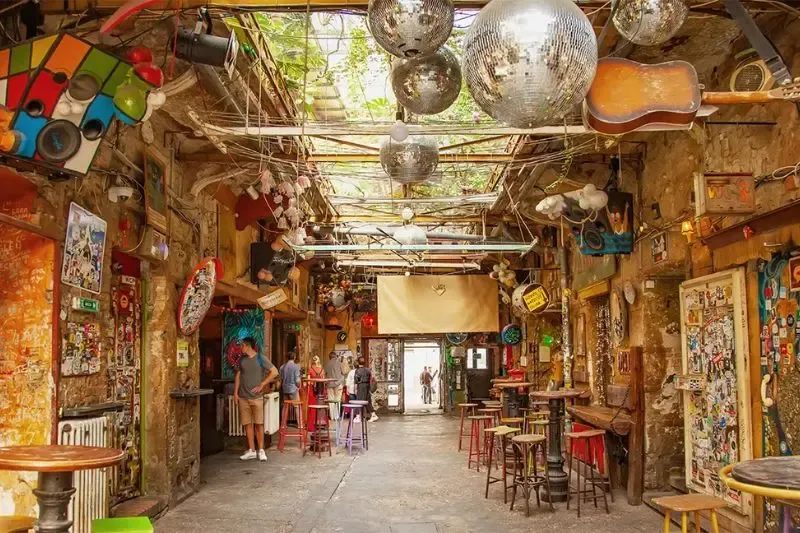
Budapest invented the ruin bar (romkocsma) — a concept born in the early 2000s when entrepreneurs turned abandoned buildings and overgrown courtyards in the Jewish Quarter into eclectic, ramshackle bars. They’ve since become one of the defining experiences of Budapest nightlife.
Szimpla Kert is the original and most famous, and it’s worth visiting even if you’re not a bar-hopper — the space, a converted apartment building open to the sky, is a genuine piece of living folk art. Plants grow through broken furniture. Bicycles hang from walls. Every room is decorated differently.
Other ruin bars worth exploring:
Doboz — More relaxed garden bar atmosphere
Instant-Fogas — One of the city’s biggest club complexes
Day 3: Culture, Thermal Baths, and the Andrássy Avenue
Morning: Andrássy Avenue and Heroes’ Square
Andrássy Avenue (Andrássy út) is Budapest’s answer to Paris’s Champs-Élysées — a sweeping, tree-lined boulevard stretching from the center of Pest out to City Park, lined with neo-Renaissance palaces, embassies, high-end boutiques, and grand coffee houses. It’s a UNESCO World Heritage Site and one of the most beautiful urban streets in Europe.
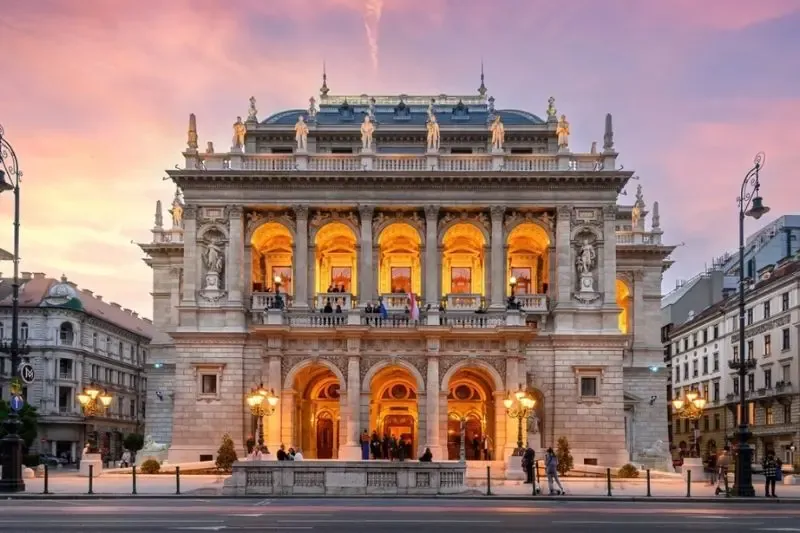
Midway along the avenue stands one of Budapest’s crown jewels: the Hungarian State Opera House (Magyar Állami Operaház), a magnificent neo-Renaissance building completed in 1884. Even if you’re not catching a performance, the building is worth stopping for
Walk its full length (about 2.5 km) or take Metro Line 1 (the yellow line), the oldest underground railway on the European continent, built in 1896.
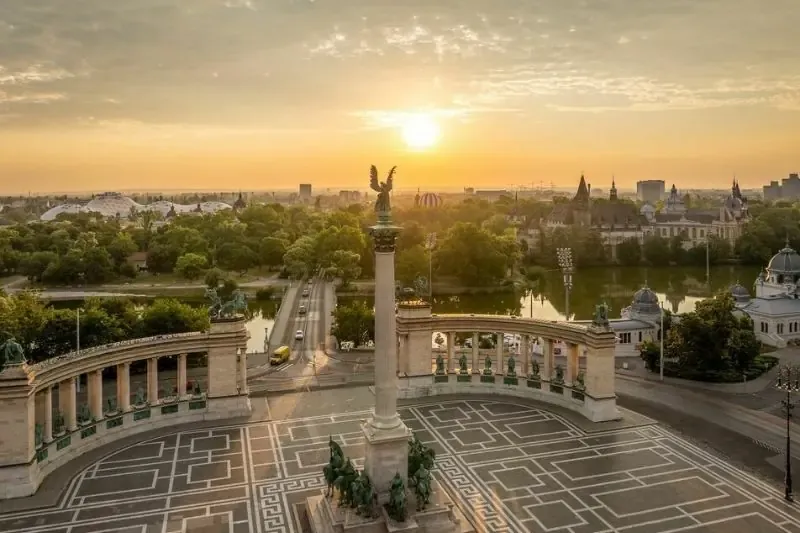
At the far end, you’ll emerge at Heroes’ Square (Hősök tere), one of Budapest’s major symbols. The Millennium Monument at its center depicts the seven chieftains of the Magyar tribes, surrounded by Hungarian kings and national heroes. It was built for the 1896 millennium celebration of Hungary’s 1,000th anniversary. The square is vast, ceremonial, and very photogenic — especially in morning light.
Flanking the square are two major museums:
Museum of Fine Arts (Szépművészeti Múzeum) — One of Central Europe’s finest collections of European art, including works by El Greco, Goya, and Rembrandt
Kunsthalle Budapest — Contemporary and modern Hungarian art in a striking neoclassical building
Mid-Morning: City Park (Városliget)
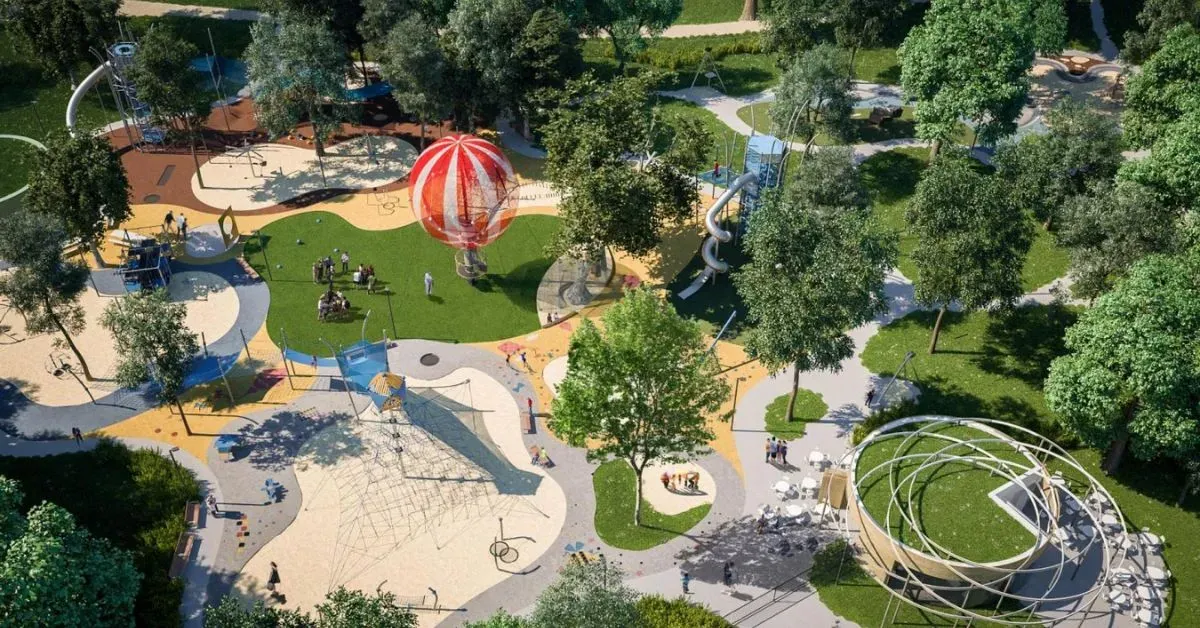
Behind Heroes’ Square lies City Park (Városliget), Budapest’s main public park and one of the oldest public parks in the world. In summer it’s full of families, joggers, and picnickers; in winter the lake in front of Vajdahunyad Castle becomes one of Europe’s largest outdoor ice skating rinks.
Key highlights within City Park:
1. Vajdahunyad Castle — A fantastical fairytale castle built in 1896 combining Romanesque, Gothic, Renaissance, and Baroque elements in a single structure. It was originally built as a temporary exhibition hall but proved so popular it was made permanent. Now houses the Hungarian Agricultural Museum.
2. Széchenyi Thermal Bath — Save your thermal bath experience for this bath if you’re going to do only one — it’s the largest medicinal bath complex in Europe, housed in a stunning yellow neo-Baroque palace in City Park. Széchenyi has large outdoor pools open year-round, which creates the surreal and unforgettable sight of people playing chess on floating boards in steaming hot water.
There are 18 pools in total, ranging from very hot (38°C/100°F) to cool, plus steam rooms and saunas. Plan for 2–3 hours minimum. Book tickets online to avoid queues.
Lunch: Near City Park
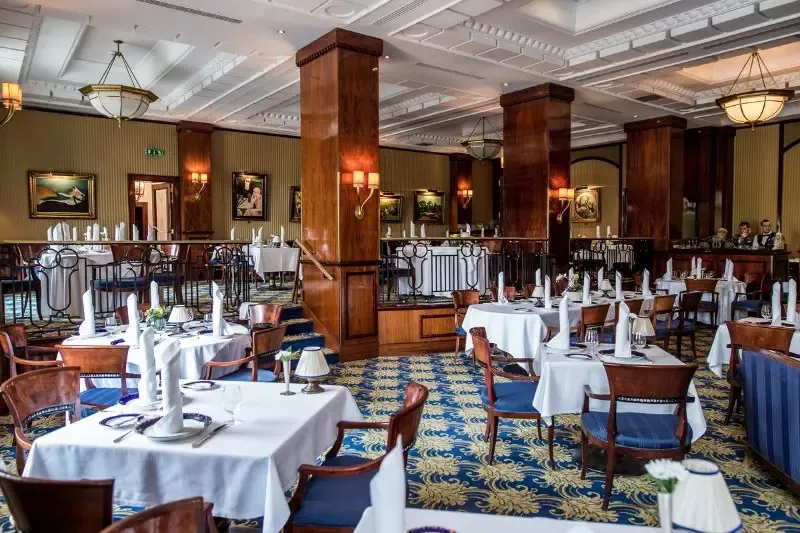
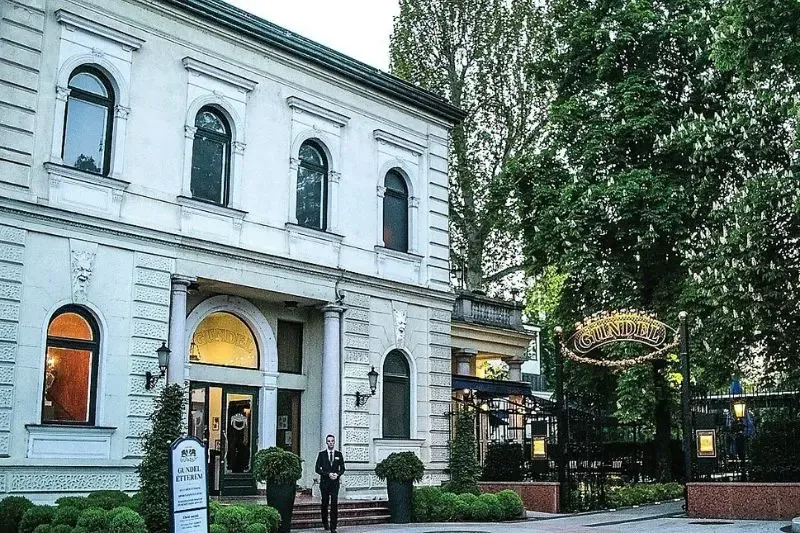
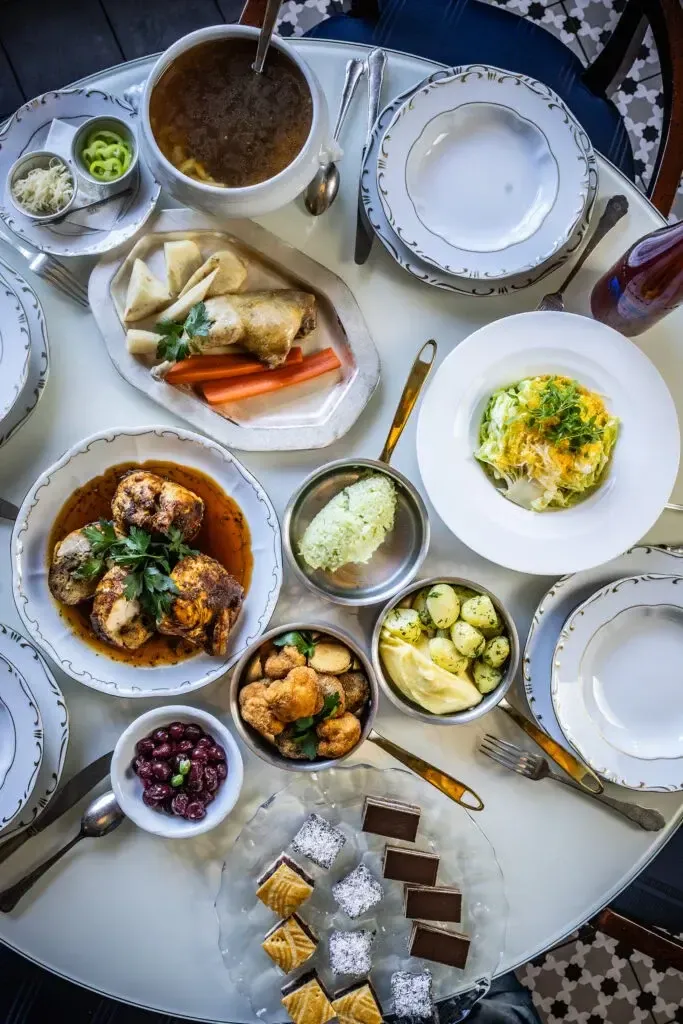
After the baths, lunch near City Park. Gundel is Budapest’s most storied dining place (founded 1894), located right in the park — an excellent choice for families traveling with children.
Afternoon: Exploring Budapest’s Historic Coffeehouses
Budapest’s coffeehouse culture is one of the city’s great pleasures, and the afternoon is the perfect time to slow down and experience it properly. These three historic cafés each offer something distinct — visit one or make a leisurely circuit of all three.
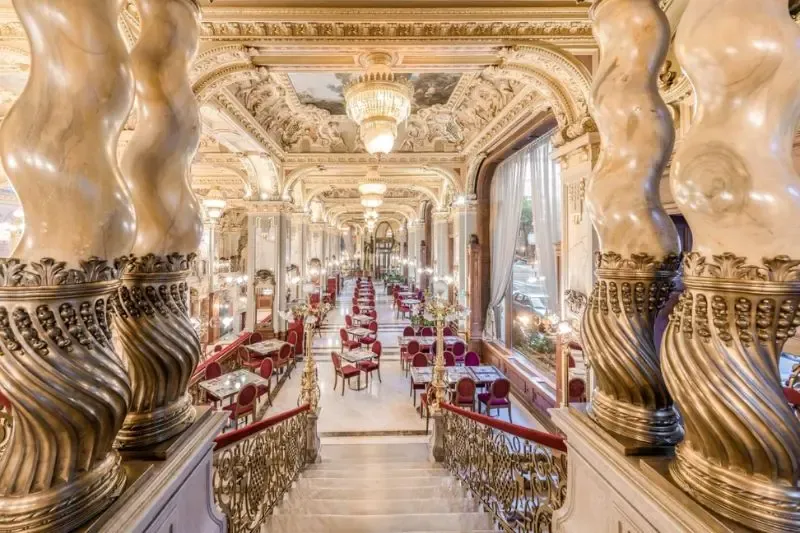
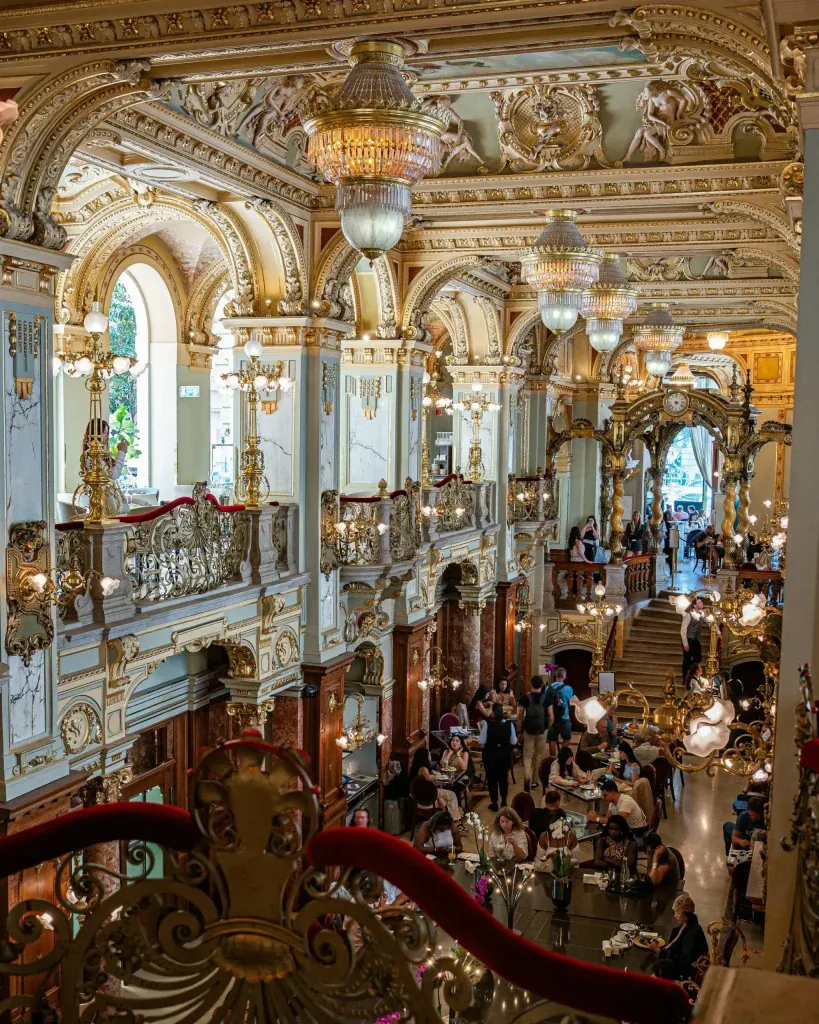
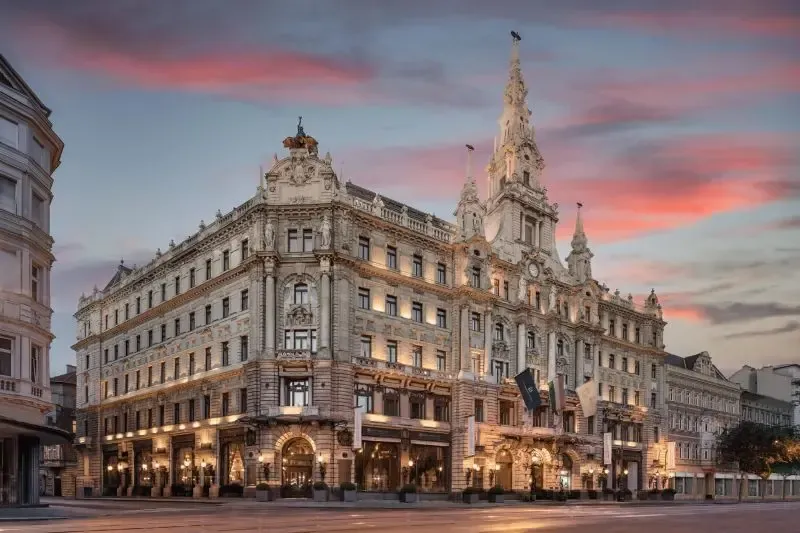
1. New York Café on Erzsébet Boulevard is the most opulent café in Budapest and arguably in all of Europe
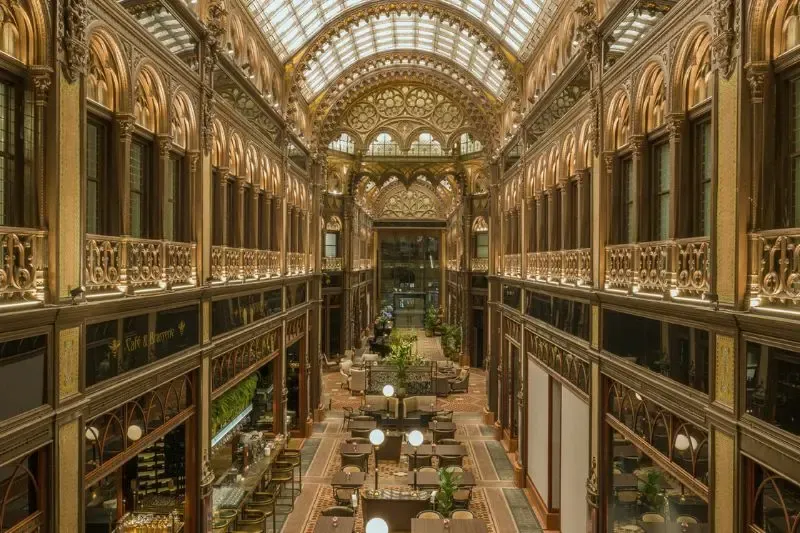
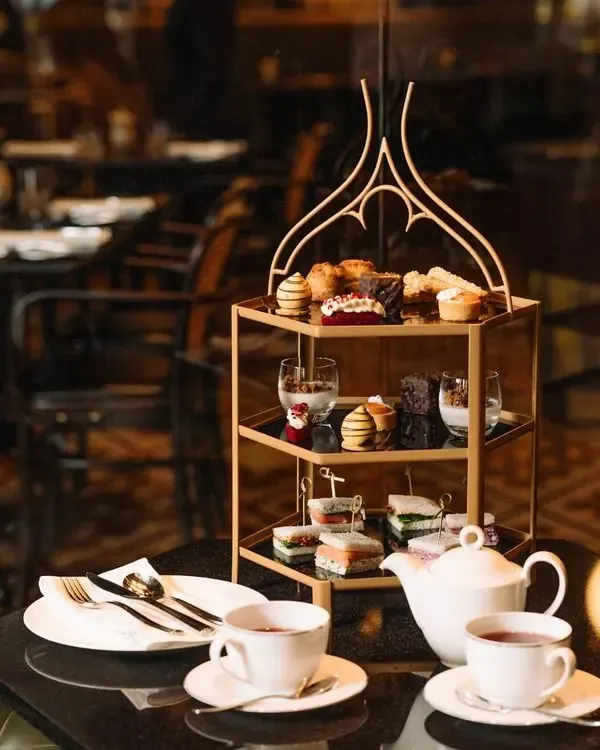
2. Párisi Udvar on Ferenciek Square is a breathtaking art nouveau and eclectic-style arcade built in 1911, step inside to look up at the ornate iron-and-glass ceiling and the majolica tilework — it’s one of the most beautiful interiors in Pest.
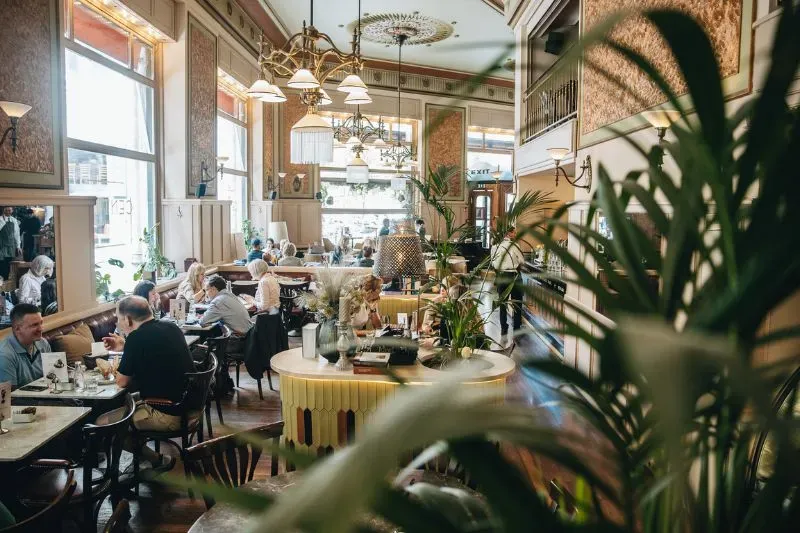
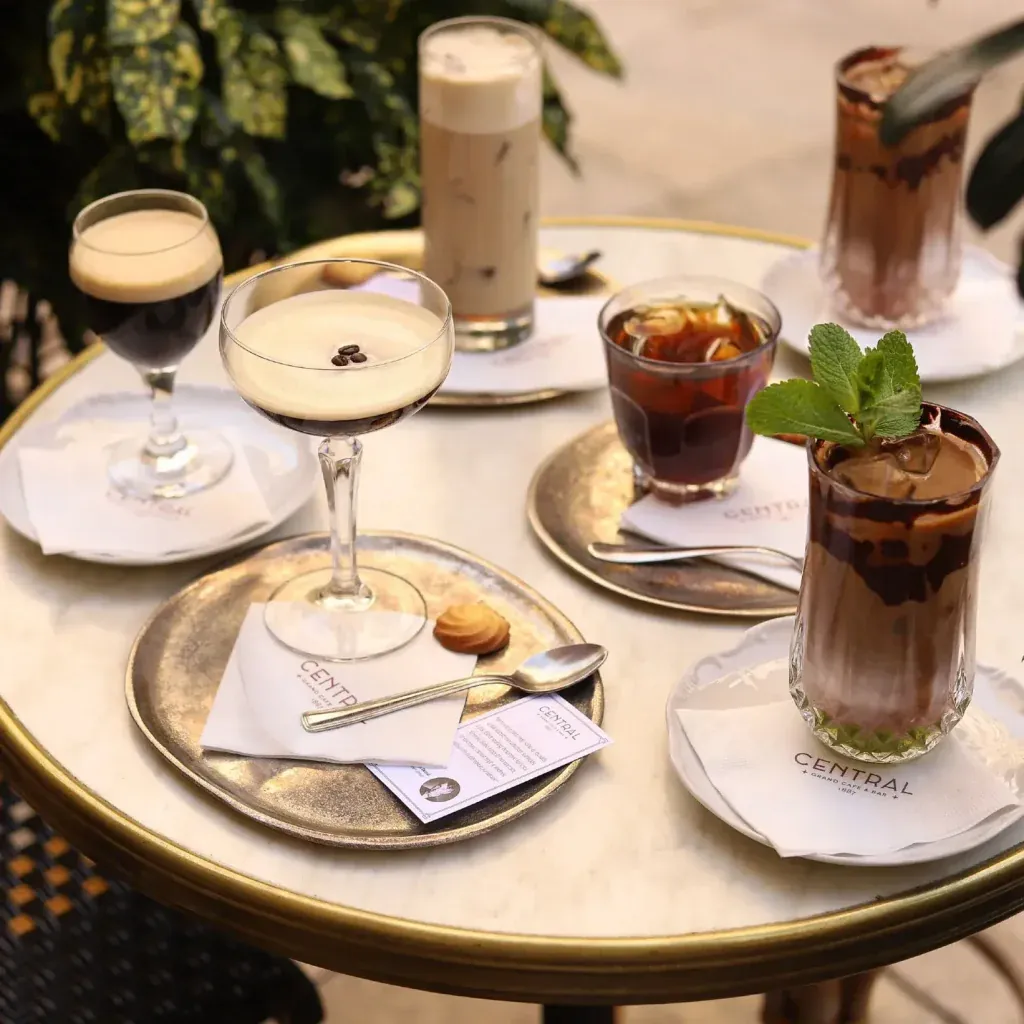
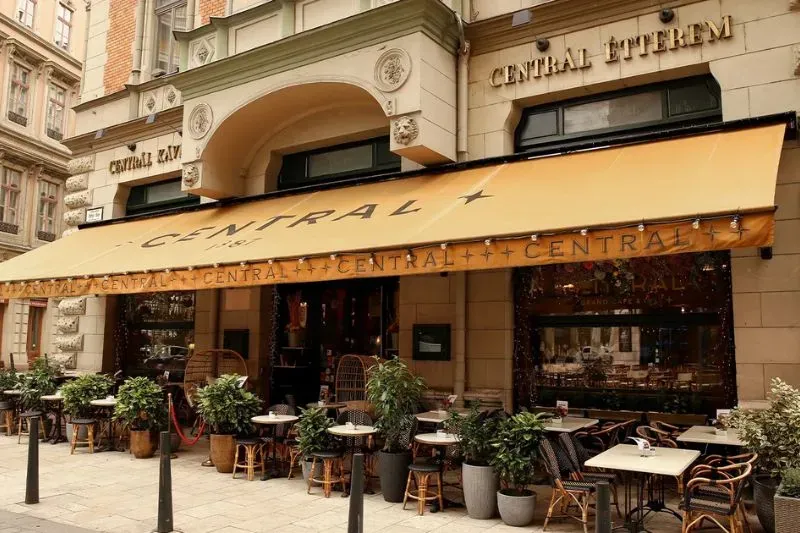
3. Centrál Grand Cafe & Bar on Károlyi Mihály Street has been a gathering place for Budapest’s literary and intellectual crowd since 1887. A great spot to sit with a notebook and watch the city move.
Evening: A Final Danube Evening
Budapest at night, seen from the river, is something most visitors cite as the trip’s most unforgettable image. For your final evening, consider:
Danube river cruise A 1-hour evening cruise on the Danube lets you see the illuminated Parliament, Buda Castle, the Chain Bridge, and Gellért Hill from the water simultaneously. Several operators run evening cruises with or without dinner; book in advance.